
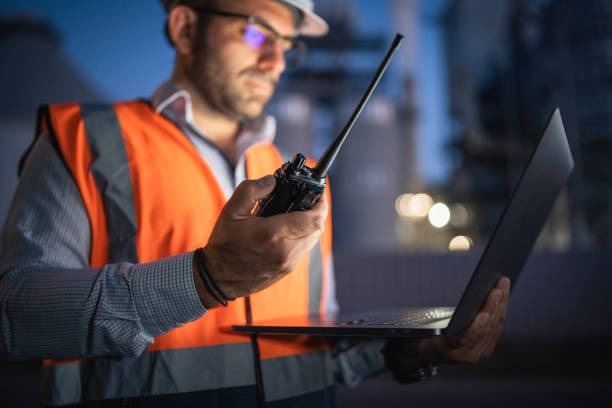
Hey, if you’re as into private network communication gear as I am—whether you’re a pro using it every day or just a total tech nerd—you know there’s a ton of different standards out there. To be honest, even though I’ve heard of all these standards, I’m still wrapping my head around what they actually mean in the real world. So, I’m stoked to share what I’ve learned so far.
Next, I would like to share on several topics:
1. Concepts of Key Formats in Private Network Communication;
2. Differences Among the Formats;
3. Country – Specific Applications;
4. Hytera Terminals Related to Various Formats.
Concepts of Key Formats in Private Network Communication
DMR (Digital Mobile Radio)
DMR is an open standard cooked up by the European Telecommunications Standards Institute, or ETSI for short. It uses this cool dual – slot TDMA access method, with a 12.5kHz channel spacing and 4FSK modulation, sending data at 9.6kbps. And get this, DMR divides its equipment into three classes. Class I is for those short – range, no – license – needed situations. Class II is what most professional walkie – talkies fall under—you can use them directly or through a repeater, but you’ll need a personal license. Then there’s Class III, which has a central controller calling the shots. It’s also a personal – licensed DMR trunking system. You can do pretty much anything with it: make voice calls, send data, use push – to – talk, make individual or group calls, even broadcast messages.
P25
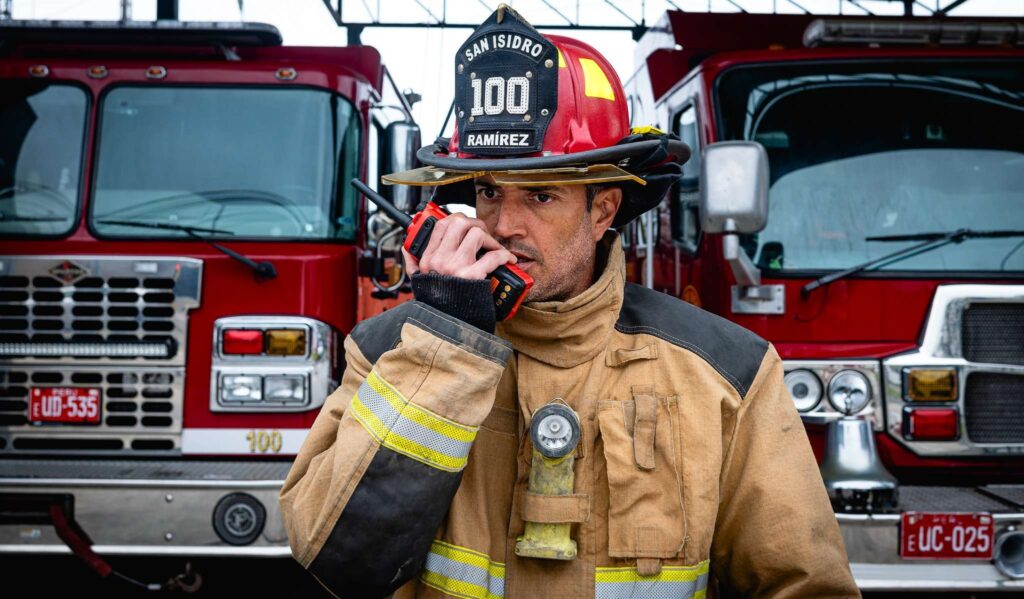
P25 is like the go – to digital communication standard for public safety in the US. The older version used FDMA, but the new one switched to TDMA. It uses IMBE or AMBE codecs over FSK. This standard is a game – changer for cops, firefighters, and emergency responders. It’s all about keeping them connected when things get crazy. The switch from FDMA to TDMA was all about squeezing more out of the spectrum and adding some really cool new features.